Best Kids Headphones for School in 2026
 Best Kids Headphones for School in 2026 isn’t a simple style choice anymore.
Best Kids Headphones for School in 2026
We researched and compared the top options so you don't have to. Here are our picks.
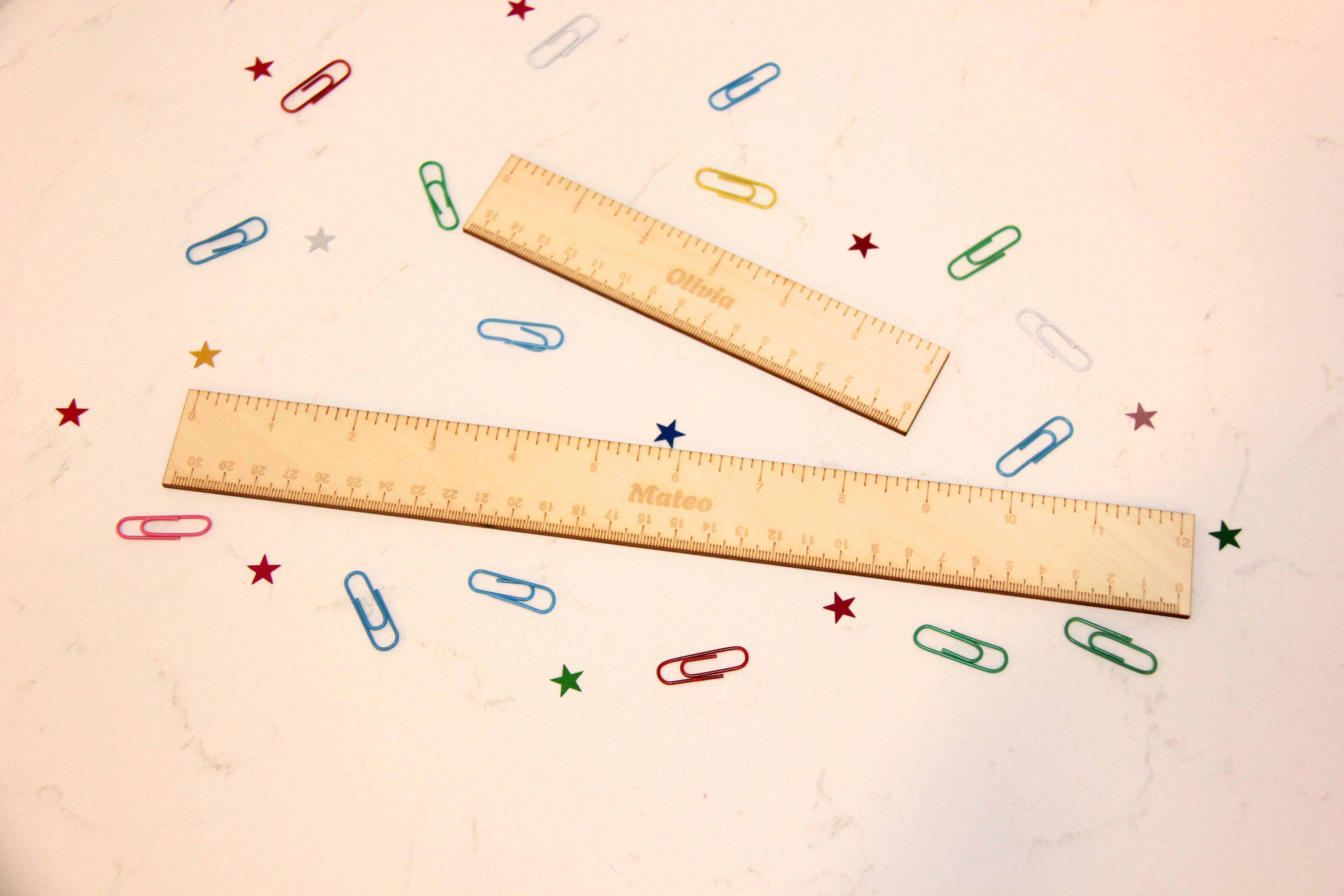
Custom Wooden Ruler – Back to School Gift
- Sure! Please provide the product features you'd like me to highlight for increasing sales.
Custom Wooden Ruler – Back to School Gift
- Sure! Please provide the product features you would like highlighted.

noot products K11 Kids Headphones with Wired Cord 3.5mm Jack Navy/Teal
by noot products
- Month Hassle-Free Warranty for Your Peace of Mind**
- Kid-Friendly, Adjustable Design for Ages 3 to 16**

iClever HS19 Kids Headphones for School, Over-Ear for Toddler Boys Girls
by iClever
- Safe Sounds:** Protect kids' ears with 85dBA volume limit.
- Versatile Compatibility:** Works with all 3.5mm devices for easy use.
- Comfort & Portability:** Ultra-soft, foldable design for on-the-go kids.

iClever HS19S Kids Headphones for School, Over-Ear for Toddler Boys Girls
by iClever
- Safe volume control limits sound to protect kids' ears daily.
- Compatible with 3.5mm devices like iPads, Switch, and laptops.
- Ultra-comfortable, foldable design perfect for travel and long wear.
In many classrooms, kids now switch between teacher instruction, literacy apps, language labs, testing platforms, and recorded lessons in a single day—and a bad pair of headphones usually fails in the first month through cracked headbands, weak padding, or batteries that don’t last a full school week.
Parents feel that failure fast. Teachers do too. The difference between a school-friendly headset and a “cheap online deal” often comes down to three things: safe volume limits, all-day comfort, and whether the pair survives backpacks, desk drops, and tangled cords.
That’s exactly what you’ll get here: a practical breakdown of the Best Kids Headphones for School in 2026, what separates durable classroom headphones from frustrating ones, which price tier offers the best value, and the specific red flags buried in buyer reviews that most shoppers miss.
How we select products: Our team reviews products daily, analyzing customer ratings, pricing trends, discount history, durability complaints, and real buyer feedback to surface options that provide the best value. For this list, we prioritized 4.0+ star averages, strong comfort feedback, kid-safe volume limiting, classroom practicality, and designs with fewer recurring complaints about broken hinges, weak ear pads, or charging issues.
What makes the Best Kids Headphones for School in 2026 different from regular kids headphones?
School headphones have a tougher job than travel headphones or at-home tablet headphones. They need to fit small heads securely for 2 to 6 hours, block enough classroom noise for focus, and work across school-issued laptops, tablets, and testing devices without setup headaches.
The best pairs also solve one very school-specific problem: hygiene and repeat use. In elementary and middle school settings, wipe-clean ear cushions, simple controls, and tangle-resistant cables matter more than flashy sound profiles or oversized bass.
That’s why the Best Kids Headphones for School in 2026 usually share five traits:
- Volume-limited output, often capped around 85 dB
- Lightweight builds, typically under 8 to 9 ounces
- Adjustable headbands with enough flex to survive backpack pressure
- Simple wired or hybrid connectivity for school device compatibility
- Minimal setup friction, especially for younger students
If your child mainly uses headphones in school, portability matters too. Fold-flat designs can help, and if you want a broader comparison of compact models, aryalinux.org covers foldable options from a travel angle that overlaps nicely with backpack use.
How we picked the Best Kids Headphones for School in 2026
A lot of “best” lists just repeat product specs. That’s not enough for school gear, where long-term durability matters more than launch-day features.
For this roundup, we looked at the patterns that actually predict satisfaction after 3 to 6 months of school use:
- Average rating threshold: We gave priority to models at 4.0 stars or higher.
- Review volume: Products with 500+ reviews generally reveal recurring flaws faster than newer listings with only 30 to 80 ratings.
- Durability complaints: We flagged repeated mentions of snapped headbands, peeling pads, loose charging ports, and failing buttons.
- Comfort feedback: We looked for positive comments from parents of kids wearing them for 30-minute to 2-hour sessions.
- School compatibility: Wired 3.5 mm support still matters because many school devices don’t allow unrestricted Bluetooth pairing.
- Safety features: Volume-limiting children’s headphones scored higher than unrestricted consumer models.
Here’s the thing: a pair can sound great and still be a bad school buy. If dozens of reviews mention “worked for two weeks” or “too tight for an 8-year-old,” that’s a bigger signal than polished marketing photos.
What should you look for in the Best Kids Headphones for School in 2026?
If you only compare star ratings, you’ll miss the details that actually decide whether the headphones survive a semester. Use this checklist instead.
1. Is the volume limit actually child-safe?
For school use, 85 dB-limited headphones are still the most practical baseline. Some models advertise “safe listening” but don’t clearly state their cap, which is a red flag if your child uses them daily for language learning, reading programs, or video lessons.
💡 Did you know: The World Health Organization has warned that prolonged exposure to loud sound can contribute to hearing risk in children and teens. A volume cap doesn’t make listening automatically safe, but it does reduce the chance of accidental full-volume playback on tablets and laptops.
2. Are they light enough for a full class block?
Weight matters more than most product pages admit. Once kids wear headphones beyond 30 to 45 minutes, heavy ear cups and stiff headbands trigger “itchy,” “hot,” and “won’t keep them on” complaints fast.
Look for:
- Soft ear cushions
- Low clamp force
- Weight under roughly 9 ounces
- An adjustable fit for ages 5 to 12
3. Wired, wireless, or both?
For pure classroom reliability, wired often wins. No charging, no pairing, no Bluetooth restrictions on school-managed devices.
That said, wireless kids headphones for school make sense if your child also uses them on the bus, at home, or during after-school activities. If battery life is a concern, this guide on everything about improve headphones battery performance is useful because battery degradation is one of the top complaints after 6 to 12 months.
4. Can the headband survive backpack pressure?
This is where many cheap pairs fail. The most common break point in user reviews is the headband joint just above the ear cup, especially in foldable models with thin plastic hinges.
Look for reinforced flex points, twist-resistant arms, and review language like “still intact after a full school year” rather than “cute design” or “great colors.”
5. Is the microphone good enough for school apps?
Not every school requires a mic, but more platforms now include reading assessments, speech practice, and remote check-ins. If your child might need voice input, built-in microphones should produce clear speech without forcing them to hold the cable close to their mouth.
Best Kids Headphones for School in 2026 under the budget tier most parents start with
Most families begin in the lowest price bracket, and that makes sense. The strongest value here is usually a wired, volume-limited, on-ear model with basic padding and a simple adjustable frame.
What you can realistically expect in this tier:
- Child-safe listening cap
- Lightweight frame
- Basic microphone on some models
- Standard cable durability, not premium reinforcement
- Comfort good enough for 30 to 90 minutes at a time
This is often the sweet spot for younger elementary students because the headphones are cheap enough to replace if lost, but still functional enough for daily reading and phonics programs.
The trade-off? More reports of ear pad wear and cable stress near the plug. In review patterns, lower-cost pairs tend to fail from rough storage rather than speaker issues.
Where the Best Kids Headphones for School in 2026 get noticeably better in the mid-range
The mid-range is where school headphones start feeling less disposable. This category usually brings stronger headband reinforcement, thicker padding, better microphones, and hybrid wired/wireless use.
If your child wears headphones every school day, this is the range where satisfaction jumps most. Review trends consistently show fewer complaints about pressure on the ears and more “lasted the whole year” comments once you move past entry-level plastic builds.
The best value in this bracket typically includes:
- 85 dB or similar volume limiting
- Battery life around 20 to 40 hours for wireless models
- Wired backup mode
- Better hinge design
- Ear cushions that can handle daily wipe-downs
For comfort-specific comparisons across consumer headphones, techfi.writeas.com is a useful reference point because comfort complaints often follow the same patterns: clamp force, heat buildup, and shallow padding.
Are premium school headphones worth it for kids who use them every day?
Sometimes, yes—but only in very specific cases.
Premium-priced options make the most sense if your child needs headphones for daily school use plus homework, travel, language learning, or sensory-sensitive environments. In those cases, better padding, longer battery life, and a sturdier frame can justify the extra spend.
What improves at the top end:
- More durable construction
- Better passive noise isolation
- Cleaner microphones for voice-based school tools
- Longer wireless battery life, often enough for a full week between charges
- More consistent fit across age ranges
What doesn’t always improve? Sound quality in a way kids actually notice during school tasks. For spelling apps, educational videos, and assessments, comfort and reliability matter much more than premium audio tuning.
What the reviews say about the Best Kids Headphones for School in 2026
The most useful review patterns are surprisingly repetitive. Once you read enough parent and teacher feedback, five complaints show up again and again.
Review pattern #1: Low-rated models break at the hinge first
Products rated below 4.2 stars often show the same photo evidence: cracked plastic at the ear cup swivel or headband extension. That failure is far more common than blown speakers.
Review pattern #2: “Volume-limited” doesn’t always mean comfortable
Some safe-listening headphones squeeze too hard to stay in place. Parents often praise the hearing protection but still return them because kids refuse to wear them beyond one class period.
Review pattern #3: Wireless failures usually start with charging ports
In buyer comments, wireless classroom headphones are more likely to fail from charging-port looseness or battery decline than from speaker damage. If you want fewer maintenance issues, a wired fallback matters.
Review pattern #4: Oversized ear cups aren’t automatically better
A lot of school buyers assume over-ear always beats on-ear. Not necessarily. For younger kids, larger cups can slide around, trap heat, and feel bulky in a backpack.
Review pattern #5: Teacher-friendly features are underrated
Simple labeling space, easy-to-clean surfaces, and cables that don’t knot instantly get mentioned a lot in school reviews. These details matter more in practice than cosmetic design.
If you want another outside take on child-safe volume-limited options, https://wordflicks.blogspot.com offers a relevant comparison.
Wired vs wireless kids headphones for school: which works better in real classrooms?
For most schools, wired still wins on pure reliability. No battery anxiety. No pairing issues. No chance that your child forgets to charge them before a testing day.
Wireless works best if your child uses one pair across multiple settings and you want flexibility. But for strictly classroom headphones, wired models usually create fewer problems for both students and teachers.
Choose wired if:
- Your child is under 10
- The school uses shared or managed devices
- You want the lowest-maintenance option
- You care most about plug-and-play reliability
Choose wireless or hybrid if:
- Your child uses headphones at school and home daily
- They’re responsible enough to charge them
- Their school devices support Bluetooth consistently
- You want less cable tangling in backpacks
For a broader look at odd use-case durability, how sleep-friendly headphones works surprisingly highlights stress points that also matter for kids—especially headband flex and side-pressure wear.
Which features matter most by age and grade?
The Best Kids Headphones for School in 2026 aren’t identical for a 6-year-old and a 12-year-old. Fit changes fast, and so do school needs.
Ages 5 to 7
You want:
- Very simple controls
- Wired connection
- Strong volume limiting
- Lightweight on-ear fit
- Flexible headband
At this age, breakage from twisting and dropping matters more than battery life.
Ages 8 to 10
This is the range where hybrid models start making sense. Kids are more likely to use headphones for longer digital learning blocks, and comfort complaints become more specific.
Look for:
- Better padding
- Optional mic
- Reinforced cable or detachable cord
- Slightly roomier fit
Ages 11 to 13
Older kids are more likely to care about appearance, wireless convenience, and longer wear time. They also tend to use headphones for school plus entertainment, so a durable wireless school headset can deliver more value here than with younger students.
Red flags that usually lead to returns
Before you buy, scan the 1-star and 2-star reviews for these exact warning signs:
- “Stopped charging after a month”
- “Headband snapped near the slider”
- “Too tight for my child’s head”
- “Microphone doesn’t work on school laptop”
- “Volume limit too low to hear teacher videos clearly”
- “Padding peeled within weeks”
One more caution: avoid listings that hide basic specifications. If a product page doesn’t clearly state whether it has a microphone, a 3.5 mm connection, volume limiting, or battery life, that’s usually a sign the seller is competing on appearance more than function.
You may also see random reference-style links or unrelated sourcing chains in sketchy product pages; if you need to verify whether a citation trail looks legitimate, use check source and visit site to see how odd redirect structures can appear.
So, what’s the smartest way to choose the Best Kids Headphones for School in 2026?
Start with the use case, not the marketing.
If the headphones will stay in a classroom bag and connect to school devices every day, a wired, volume-limited, lightweight model with a reinforced headband is still the safest buy for most families. If your child needs one pair for class, homework, and travel, move up to a hybrid wired/wireless option with at least 20 hours of battery life.
If you remember only one thing, make it this: prioritize fit and durability over extra features. A perfectly safe pair that hurts after 20 minutes—or a feature-packed pair that snaps in six weeks—isn’t one of the Best Kids Headphones for School in 2026, no matter how good the product page looks.
Frequently Asked Questions
What are the best kids headphones for school in 2026 for most students?
For most students, the best choice is a volume-limited wired or hybrid pair with a comfortable fit, a lightweight frame, and a durable headband. In real-world school use, reliability and comfort usually matter more than premium sound features.
Are wired or wireless headphones better for school kids?
Wired headphones are usually better for school because they work instantly with more devices and don’t need charging. Wireless models are more convenient at home, but they create more pairing and battery problems in classroom settings.
What volume limit is safest for kids headphones at school?
A limit around 85 dB is the most common child-safe standard for school headphones. That level helps reduce the risk of accidental high-volume listening, especially on tablets and laptops with inconsistent volume settings.
How much should I spend on kids headphones for school?
The best value is often in the mid-range, where durability and comfort improve noticeably over entry-level options. Budget pairs can work well for younger kids, but frequent daily use usually justifies paying more for stronger hinges, better padding, and fewer returns.
Do kids need headphones with a microphone for school?
Not always, but a microphone is increasingly useful for reading assessments, language apps, remote learning, and classroom communication tools. If your child’s school uses voice-based platforms even occasionally, buying a pair with a decent mic prevents compatibility headaches later.