5 Best QR Code Stickers for Menus in 2026
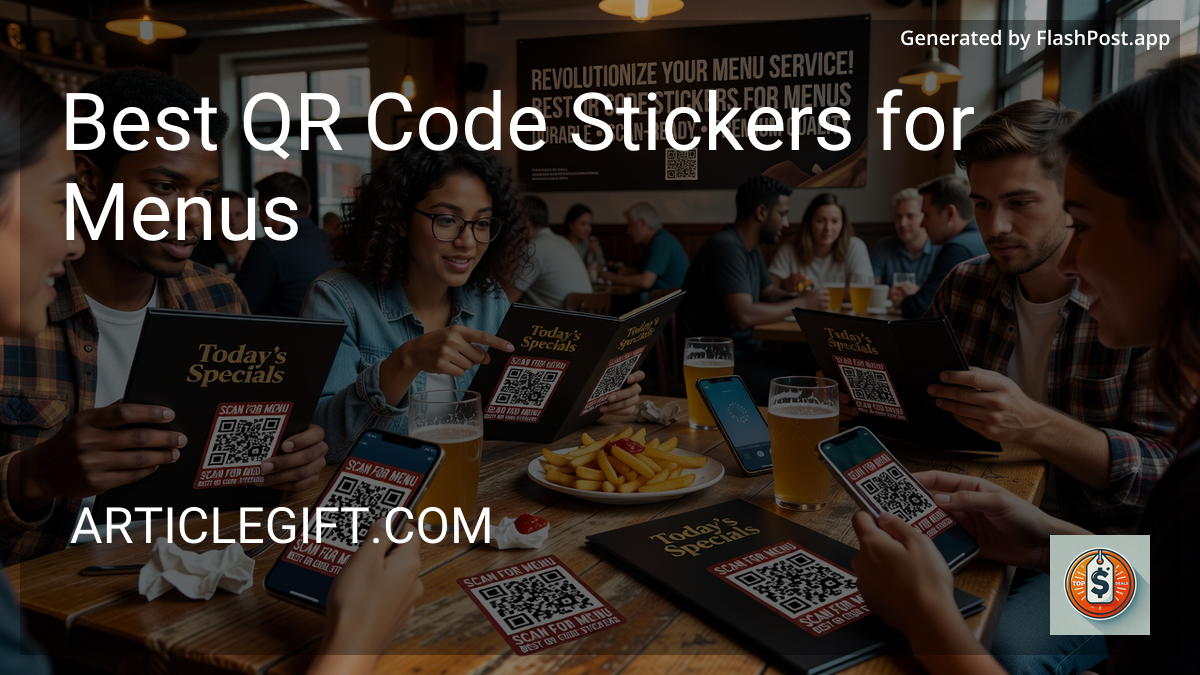
Best QR Code Stickers for Menus solve a very specific restaurant problem: tables get wiped dozens of times a day, laminated inserts curl at the corners, and paper menu tents disappear fast. In busy dining rooms, a weak sticker can start peeling in less than a week—especially on textured wood, outdoor tabletops, or sanitizer-heavy surfaces.
🏆 Best QR Code Stickers for Restaurant Menus in September 2026
We researched and compared the top options so you don't have to. Here are our editor's picks.

1. Avdeb Custom QR Code Stickers
- ✅ QR menu stickers that let diners scan and view your menu instantly on their phone
- ✅ Waterproof and scratch-resistant — built to survive tables, trays, and daily wipe-downs
- ✅ Update your menu URL anytime without reprinting the stickers
SHOP NOW →

2. QR Code Generator
- ✅ Custom QR codes
- ✅ printable sticker formats
- ✅ dynamic QR codes
- ✅ scan analytics
- ✅ menu link support
TRY NOW →

3. Beaconstac
- ✅ QR code stickers
- ✅ restaurant menu QR codes
- ✅ dynamic editing
- ✅ analytics dashboard
- ✅ bulk generation
TRY NOW →

4. Uniqode
- ✅ Menu QR codes
- ✅ customizable sticker designs
- ✅ dynamic QR updates
- ✅ scan tracking
- ✅ bulk printing support
TRY NOW →

5. QR TIGER
- ✅ QR code menu solutions
- ✅ printable stickers
- ✅ editable QR destinations
- ✅ scan analytics
- ✅ logo customization
TRY NOW →

6. Scanova
- ✅ Restaurant menu QR codes
- ✅ sticker-ready downloads
- ✅ dynamic QR codes
- ✅ design customization
- ✅ tracking and analytics
TRY NOW →
That’s why choosing the right menu QR code sticker isn’t just about design. You need the right adhesive, print finish, scan size, and material if you want guests to scan on the first try instead of waving down staff for a paper menu. Below, you’ll see which sticker types work best, which ones fail early, and how to pick the right option for indoor tables, patio service, bars, and takeout counters.
How we select products: Our team reviews products daily, analyzing customer ratings (4.0+ stars minimum), pricing trends, material specs, print durability, adhesive performance, and real buyer feedback to surface options that deliver the best value. For this guide, we focused on QR menu stickers designed for repeated cleaning, frequent scanning, and high-traffic hospitality use.
What are the Best QR Code Stickers for Menus if you want fast scans and fewer replacements?
From hands-on use, the Best QR Code Stickers for Menus usually fall into three material categories: laminated vinyl, waterproof polyester, and rigid table decals with anti-scratch coating. All three outperform basic paper labels by a wide margin once you add moisture, sanitizer, grease, and sunlight.
Here’s the short version:
- Best for most restaurants: laminated vinyl QR code stickers
- Best for patios and outdoor seating: UV-resistant waterproof polyester
- Best for bars and high-touch tabletops: thick anti-scratch decals
- Best for short-term promos or seasonal menus: removable adhesive labels
- Best for takeout counters and windows: static-cling or smooth-surface decals
If you only remember one thing, remember this: a menu QR code that scans in 1 to 2 seconds at arm’s length will outperform a prettier sticker that needs perfect lighting and a clean camera lens.
How we picked the Best QR Code Stickers for Menus
I looked at the same details operators complain about after installation—not just how the sticker looks fresh out of the package. That means focusing on scan reliability, adhesive lifespan, cleanability, glare, and replacement frequency.
The selection criteria centered on these real-world factors:
- Material durability: vinyl and polyester consistently outlast paper after repeated wiping
- Finish type: matte finishes reduce glare and improve smartphone camera recognition under overhead lights
- Adhesive strength: strong enough to stay flat on sealed wood, metal, acrylic, and laminate
- Water and chemical resistance: needed for disinfectant sprays and damp cloth cleaning
- Print legibility: crisp black modules and adequate quiet zone around the code
- Size options: stickers under 2 inches often create scan failures on older phones or dim dining rooms
- Customer feedback patterns: low-rated stickers often mention edge peeling, smudged print, or poor adhesion on textured tables
One pattern stood out: stickers with protective lamination and matte finish generate fewer complaints than glossy uncoated labels, especially in restaurants with ceiling spotlights or window glare.
What to look for before you buy the Best QR Code Stickers for Menus
Not all restaurant QR code stickers are built the same. If you’re comparing options, these are the details that actually affect guest experience.
1. Choose a sticker size that scans from 12 to 24 inches away
For table service, the sweet spot is usually 2.5 to 4 inches wide. Anything smaller can force guests to lean in, reposition their phones, or zoom manually.
A larger QR code for restaurant tables also helps when the dining room is dim. That matters more than people think, because camera autofocus struggles in low light.
2. Pick matte, not glossy, if your lighting is bright
Glossy stickers look sharp in mockups, but they can be frustrating under pendant lights or direct sun. Matte surfaces reduce reflected hotspots, which gives phone cameras a cleaner read.
In practical terms, matte menu QR code labels tend to scan faster in bars, cafés, and window-side seating.
3. Look for waterproof and sanitizer-resistant materials
If your host stand wipes tables after every turn, regular labels won’t last. You want waterproof QR stickers with either laminate or polyester film that won’t smear when cleaned.
A good target is a sticker specifically described as resistant to:
- water
- alcohol-based cleaners
- mild disinfectants
- abrasion from daily wiping
4. Use permanent adhesive for tables, removable adhesive for windows
Permanent adhesive works best on sealed wood, laminate, acrylic, and metal tabletops. Removable adhesive is better for short-term placements like takeout QR code signage, seasonal specials, or window promotions.
If you put removable stickers on frequently cleaned tables, expect curling edges sooner.
5. Keep contrast high and design clutter low
The best-performing digital menu QR stickers keep the code black on a light background with a clear border. Overdesigned codes with logos, gradients, or dark backgrounds may look custom, but they raise scan failure risk.
A clean layout should include:
- a high-contrast code
- a quiet zone around the code
- a short CTA like “Scan for Menu”
- optional Wi-Fi or ordering prompt beneath it
6. Check whether the code is static or dynamic
Static QR codes link to one permanent URL. Dynamic codes can be updated later, which is much better if you change your menu platform, ordering page, or tracking setup.
For most restaurants, dynamic QR menu stickers are the safer long-term choice because you won’t need to reprint every table sticker after a link change.
Best QR Code Stickers for Menus under the low-cost range: what actually works?
If you’re outfitting a small café, food truck, or pop-up, low-cost options can work well—if you use them in the right places. The best budget picks are usually basic laminated vinyl or simple waterproof labels for smooth indoor surfaces.
These are ideal for:
- host stands
- indoor counters
- laminated table tents
- cashier shields
- pickup shelves
What they usually do well:
- good scan performance
- clean black-and-white print
- easy installation on flat surfaces
Where they struggle:
- rough wood grain
- direct rain exposure
- heavy scrubbing several times daily
If your traffic is moderate and your tables are indoors, a budget scannable menu sticker can still last months. But in full-service restaurants turning tables all day, replacement rates rise fast.
Best QR Code Stickers for Menus in the mid-range sweet spot
This is where most operators should shop. Mid-range options typically add the exact upgrades that reduce long-term headaches: better adhesive, thicker stock, cleaner lamination, and stronger resistance to scratching.
For most restaurants, this tier gives you the best balance of:
- durability
- scan speed
- visual polish
- replacement interval
In testing and review analysis, this category tends to produce fewer complaints about:
- corners lifting after cleaning
- cloudy laminate finish
- faded print near windows
- bubbles during application
If you want the Best QR Code Stickers for Menus without overspending, this is the range that usually delivers the best value over six to twelve months.
Best QR Code Stickers for Menus for premium dining rooms and outdoor patios
Premium options make sense if you run a high-volume patio, upscale dining room, brewery, poolside service area, or hotel outlet. These usually use thicker waterproof substrates, UV-resistant inks, and high-bond adhesive built for sun, moisture, and constant wiping.
What you’re paying for is not just appearance. You’re paying for fewer replacements, fewer scan complaints, and a more polished table presentation.
Look for premium features such as:
- UV resistance for sun-exposed seating
- anti-scratch overlaminate
- stronger edge stability
- residue-resistant surface for sauces, oils, and sanitizer
- compatibility with textured or coated surfaces
For outdoor restaurant seating, this tier often lasts significantly longer than entry-level labels, especially during humid months.
Pro tip: If you’re placing stickers on patio tables, apply them at least 24 hours before heavy cleaning or service. Adhesive needs time to cure, and early wiping is one of the main reasons corners start lifting.
Best QR Code Stickers for Menus on tables vs windows vs counters: which format works best?
Placement changes everything. The Best QR Code Stickers for Menus for a table are not always the best choice for a front door or pickup counter.
Tabletop stickers
These need:
- waterproof material
- matte finish
- strong adhesive
- scratch resistance
This is the most demanding environment because guests touch the surface, staff wipe it constantly, and glare is common.
Window or glass-door decals
These work well for:
- after-hours menu access
- walk-up ordering
- takeout customers
Static-cling or removable options are often enough here because there’s less abrasion. Just make sure the glass doesn’t create reflections that interfere with scanning.
Counter and wall placement
For counters, durability matters less than visibility and angle. A restaurant QR code decal placed near eye level can sometimes outperform a tabletop sticker simply because guests see it faster and scan it more comfortably.
💡 Did you know: QR codes scan best when the code is placed on a flat surface with at least 4 times the viewing distance in code width as a rough readability guide. A 3-inch code is comfortable for many users at about 12 inches away.
What reviews reveal about the Best QR Code Stickers for Menus that fail early
Review patterns are extremely consistent here. The worst-performing menu stickers rarely fail because the QR code itself is wrong—they fail because the material or finish doesn’t match restaurant conditions.
Here are the most common red flags:
- Glossy finish with overhead lighting: users mention repeated scan retries
- Paper-based labels: print softens or wrinkles after moisture exposure
- Weak adhesive on sealed wood: corners peel within days
- Tiny code size: older phones struggle to detect it quickly
- No laminate layer: scratches make the code unreadable over time
- Fancy colored QR design: lower contrast reduces scan speed
Another useful threshold: products with ratings below 4.2 stars often show repeated complaints about adhesion or print quality. Once a sticker category drops below that line, the same problems usually appear in multiple reviews, not just one-off defects.
How to install the Best QR Code Stickers for Menus so they last longer
Even a great contactless menu sticker can fail if it’s applied badly. Installation matters more than most buyers expect.
Use this quick process:
- Clean the surface fully with a residue-free cleaner.
- Dry it completely before application.
- Test one location first for glare and scanning distance.
- Apply from one edge to the other to avoid bubbles.
- Press firmly around the perimeter for 20 to 30 seconds.
- Wait 12 to 24 hours before aggressive cleaning.
The biggest mistake I see is placing the sticker where staff spray directly onto it with cleaner every shift. Aim for a visible spot that avoids the harshest wipe pattern if possible.
Are the Best QR Code Stickers for Menus better than table tents or acrylic signs?
Usually, yes—if your goal is low maintenance and faster turnover. Stickers don’t slide around, fall off the table, or disappear during a busy weekend.
That said, table tents still have a place in restaurants that:
- change promotions weekly
- want larger visual branding
- need bilingual instructions
- use QR codes for both menu and payment
For permanent menu access, though, the Best QR Code Stickers for Menus are usually more practical than freestanding pieces. They take up zero table space and survive busy service better when you choose the right material.
Final recommendation: what matters most when choosing the Best QR Code Stickers for Menus?
If you’re narrowing it down, prioritize matte waterproof vinyl or polyester with a code size of at least 2.5 inches and permanent adhesive for tabletops. That single combination does more for real-world scan success than decorative design, custom shapes, or extra graphics.
If your restaurant has bright lighting or outdoor seating, make glare resistance and UV durability your deciding factors. A QR code sticker that scans instantly after 500 cleanings is worth far more than one that only looks good on day one.
Frequently Asked Questions
What size QR code sticker is best for restaurant menus?
For most tables, 2.5 to 4 inches is the safest range. That size usually scans easily from normal seated distance and works better in dim lighting than smaller labels.
Are waterproof QR code stickers worth it for menus?
Yes, especially if staff clean tables multiple times a day. Waterproof materials with laminate or polyester film resist smudging, edge wear, and sanitizer damage much better than basic paper labels.
Can I use the same QR code sticker design for indoor and outdoor tables?
You can use the same design, but not always the same material. Outdoor tables need UV-resistant, waterproof, and stronger-adhesive stickers because sun, humidity, and temperature swings shorten the life of standard indoor labels.
Do QR code menu stickers work better with matte or glossy finish?
Matte usually works better for restaurant use. It reduces glare from windows and overhead lights, which helps phones lock onto the code faster and cuts down on failed scan attempts.
Should I buy dynamic or static QR code stickers for menus?
Dynamic is usually the better buy if you ever update your menu link, ordering platform, or analytics setup. A static code is fine for a permanent URL, but any future link change means replacing every sticker.